Analysis
Hierarchy challenged as the lower-ranked teams punch above their weight
In the first week of the 2026 T20 World Cup, the script has refused to cooperate.
EuroCrick Desk
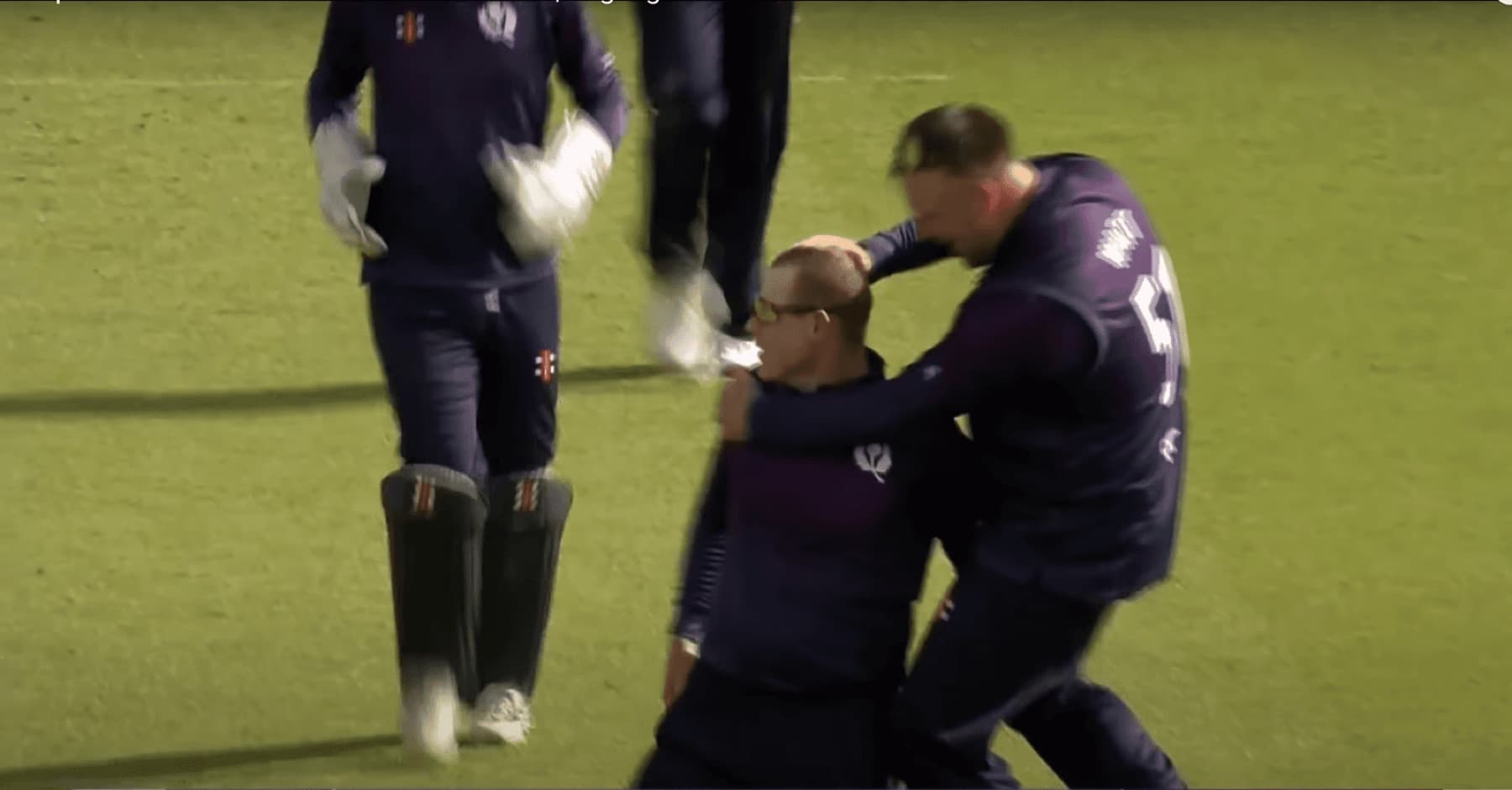
In the first week of the 2026 T20 World Cup, the script has refused to cooperate. Scoreboards have tilted unexpectedly. Crowds have fallen silent in disbelief and nations long cast on the margins of the sport have walked off fields not just competitive, but commanding.
At the Wankhede Stadium, Italy's ten-wicket dismantling of Nepal felt like a moment that travelled far beyond Mumbai. Nepal, ranked ten places above them, arrived with expectation and noise. Italy left with a statement. The Mosca brothers, Justin and Anthony, chased down the target in under 13 overs, reducing a full house into stunned quiet. When Crishan Kalugamage later called it “un momento storico,” he was not indulging in hyperbole.
Italy's story is stitched together across continents. The Manenti and Mosca brothers grew up in Australia with Italian roots. Kalugamage honed his legspin between shifts at a pizzeria in Lucca and training trips to Rome. Others qualified through ancestry or marriage, united less by geography and more by commitment.
Then there was the Netherlands' tight contest with Pakistan, a match that swung on fine margins and tactical nerve. For a country that has steadily invested in white-ball depth, these are no longer isolated flashes. They are part of a pattern.
What binds these narratives is not novelty but narrowing distance. Data analysis is accessible. Franchise leagues have created shared dressing rooms and cross-pollination of ideas. Conditioning standards have risen. Players move, learn, return.
In just seven days, the tournament has delivered a reminder: hierarchy in T20 cricket is fragile. On surfaces that reward clarity and courage, reputation counts for little once the first ball is bowled.